The River

Join
Us
We’ve designed the Power District to create wide-spread benefits — for the people who live and work here, for the companies that locate here, for Utah’s natural environment and for the surrounding Salt Lake community. By revitalizing the Jordan River and creating a diverse, energetic community experience alongside it, the Power District will become a new center of gravity for the entire region, drawing Salt Lake City back to its origin story. From there, the benefits flow outward.
Do you know which fish species are native to the Jordan River? Or what the Shoshone people called the river? Or what tributaries flow into the Jordan? Well, now you do.







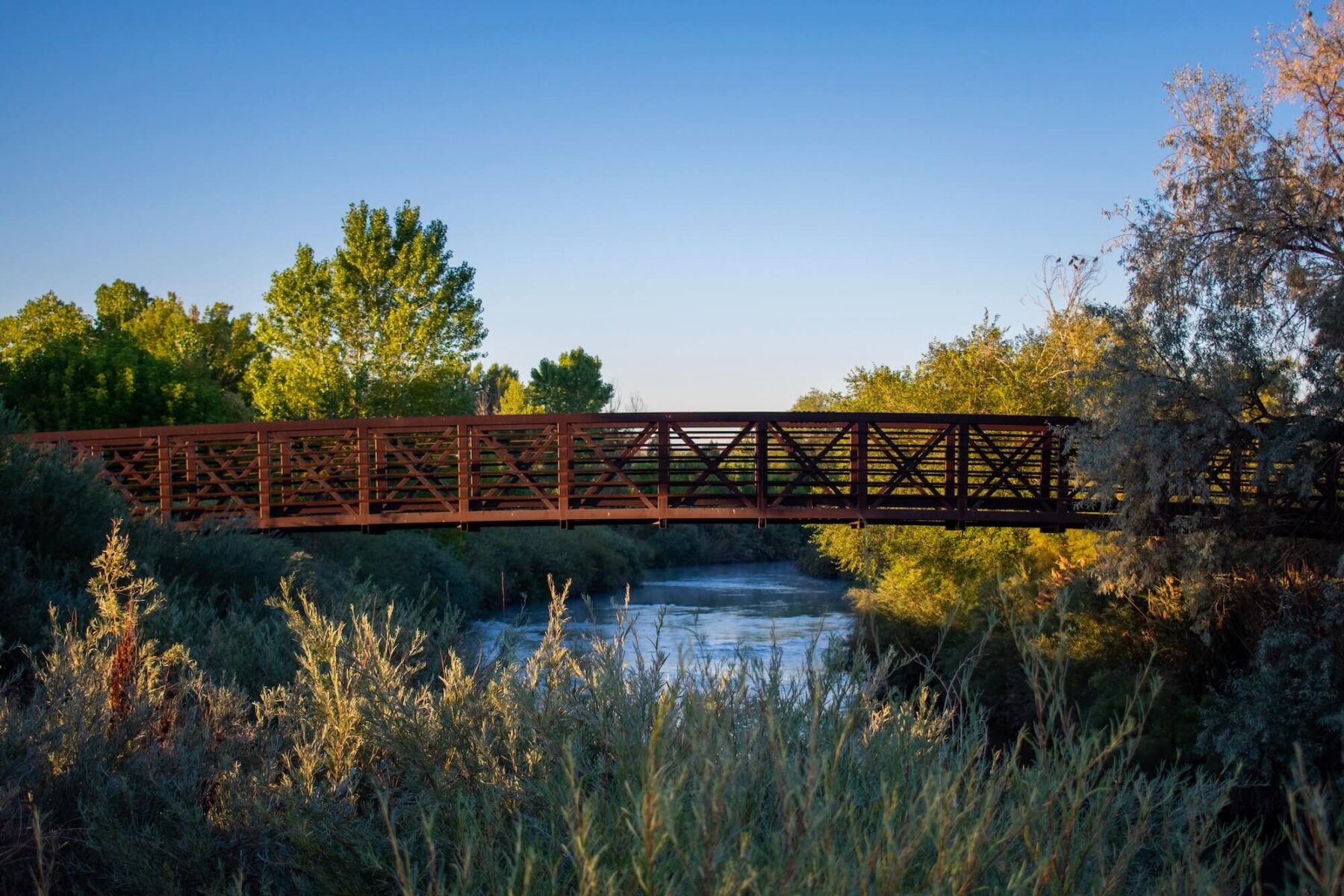
In the Power District, restoration and thoughtful development are embracing both banks of the river. A vibrant Riverwalk, with destination dining, iconic plaza spaces and a calendar of community events, will become a defining experience in the district and will give the 47-mile-long Jordan River Parkway a strong new heartbeat. The Power District will inject new energy into wider efforts to revitalize the Jordan River and its surrounding habitat, contributing to a healthier Great Salt Lake. And with the acclaimed landscape architecture firm Field Operations leading the restoration and activation effort, this stretch of the river is sure to become a world-class riverside destination.
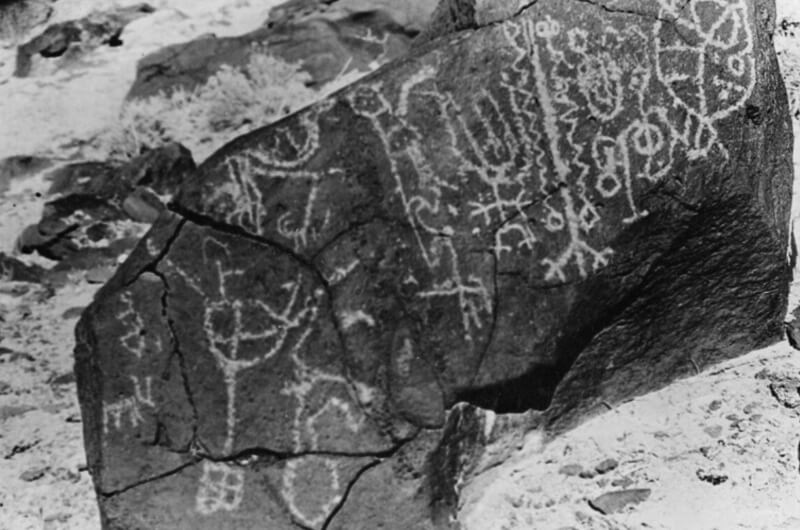
Inhabiting the Jordan River valley from about 400-1300 CE, the Fremont build irrigation systems and grow corn, beans and squash along the riverbanks.
By the 1600s, the Ute have become the region’s dominant people. They call the region “Yutah” and use the river as a critical water, food and travel corridor.
Traveling seasonally through the valley, they fish for native June sucker and cutthroat trout. The river — known to the Shoshone as Pia Okwai — supports fishing, gathering and seasonal camps.
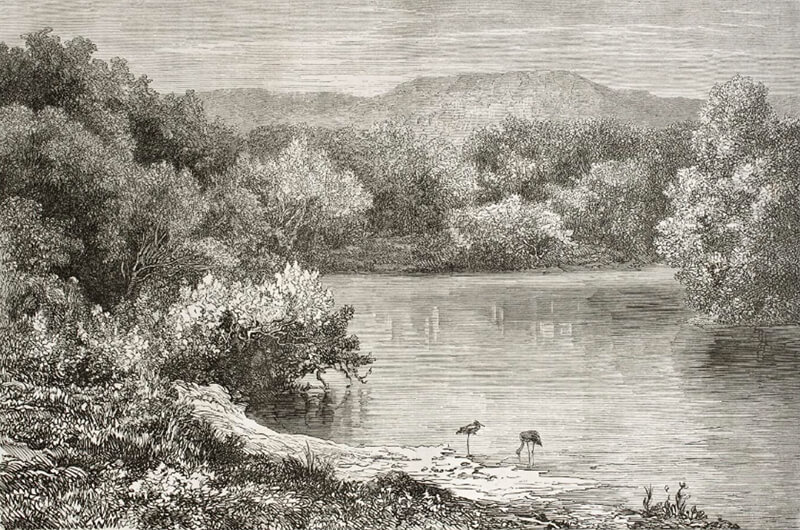
Explorers like Jedediah Smith cross the river in 1827, noting its difficult spring floods. These early accounts are the first written descriptions of the Jordan River’s conditions.
In the 1820s, fur trappers begin thoroughly exploring the Utah region. These trappers interact with local tribes and some marry local women. The most desirable fur is beaver, but by 1830 trapping moves north due to declining beaver populations.
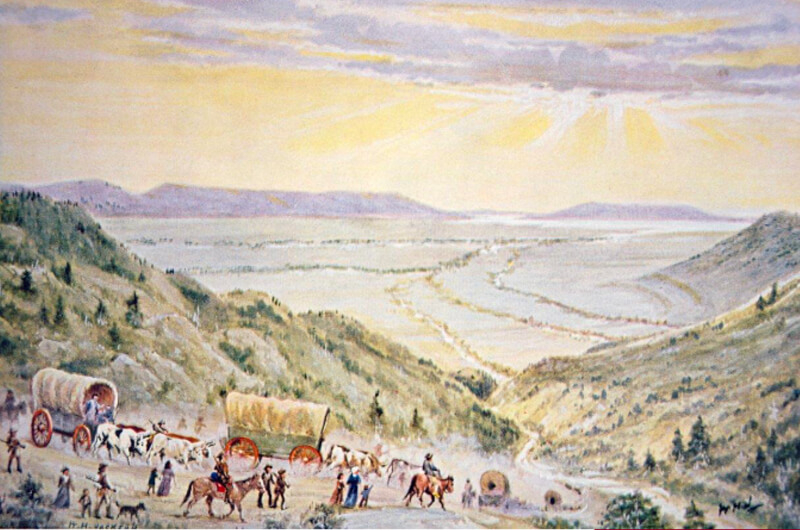
Brigham Young and the Mormon Pioneers arrive. The Jordan River becomes the western boundary of the initial settlement grid planned by Orson Pratt.
Pioneers begin to divert river water for irrigation canals, feeding the first farms and gardens of the growing Salt Lake region.
The first wooden bridge to cross the Jordan River in the Utah Territory is built in Lehi.
Granite blocks are floated along the river during construction of the Salt Lake Temple.
Murray, Draper, Lehi and other river communities develop. Orchards and farmlands flourish across the valley.
Extensive canal networks channel Jordan River water across Salt Lake, Utah and Davis counties.
Smelters, rail yards and warehouses spring up along the river’s western banks, transforming the landscape.
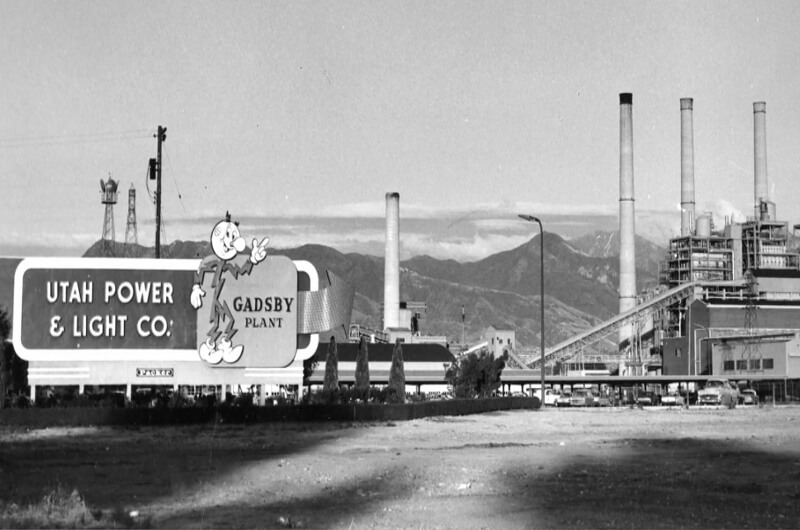
Rocky Mountain Power’s iconic Gadsby Station is built on the Jordan River’s west bank, using river water for cooling.
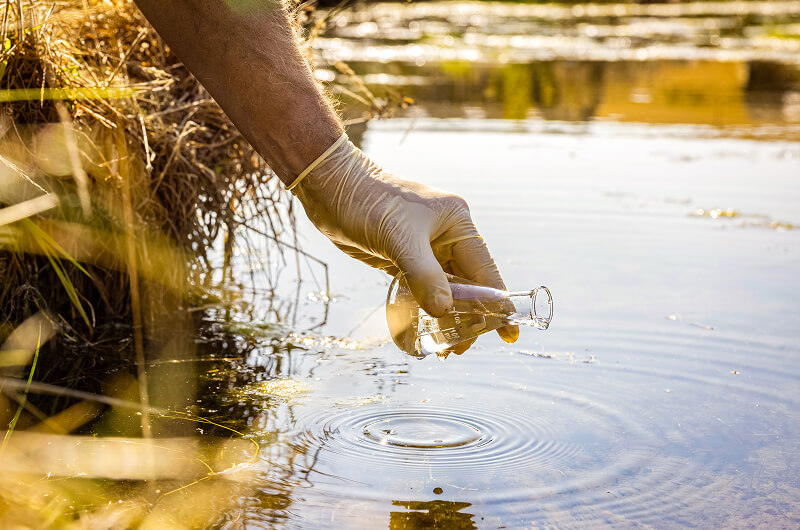
By the 1970s, agriculture runoff and industrial discharge have made the Jordan River one of Utah’s most polluted waterways.
June sucker and cutthroat trout disappear from large stretches of the river and non-native carp dominate the degraded habitat.
Freeways sever west side neighborhoods from the river. The Jordan River disappears from the mental map of most residents.
Failing to meet federal water quality standards for safe recreation, the Jordan River becomes the focus of increased oversight.
The Jordan River Commission is formed to guide river restoration, planning and public access.
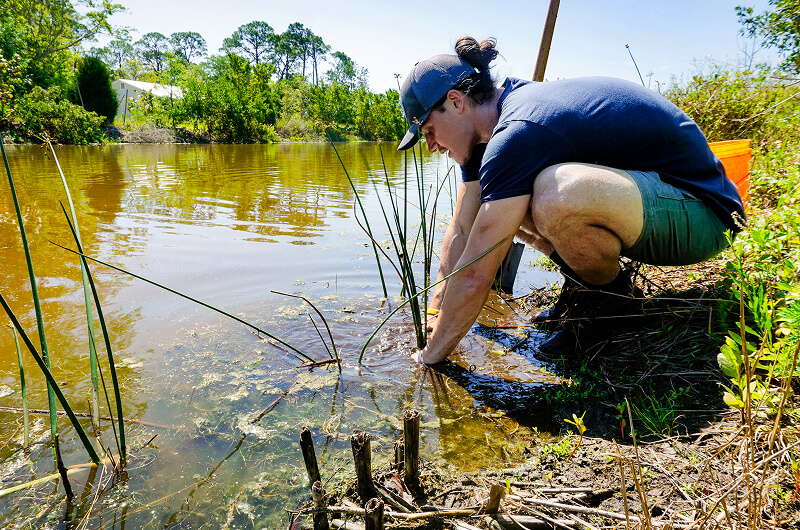
River restoration — including native vegetation plantings, bank stabilization and fish habitat improvements — begins.
The Archuleta Bridge completes the Jordan River Trail, connecting Utah Lake to the Great Salt Lake.
Water quality measurements show solid improvement with significant native fish populations increasing.

Inhabiting the Jordan River valley from about 400-1300 CE, the Fremont build irrigation systems and grow corn, beans and squash along the riverbanks.
By the 1600s, the Ute have become the region’s dominant people. They call the region “Yutah” and use the river as a critical water, food and travel corridor.
Traveling seasonally through the valley, they fish for native June sucker and cutthroat trout. The river — known to the Shoshone as Pia Okwai — supports fishing, gathering and seasonal camps.
Explorers like Jedediah Smith cross the river in 1827, noting its difficult spring floods. These early accounts are the first written descriptions of the Jordan River’s conditions.
In the 1820s, fur trappers begin thoroughly exploring the Utah region. These trappers interact with local tribes and some marry local women. The most desirable fur is beaver, but by 1830 trapping moves north due to declining beaver populations.
Brigham Young and the Mormon Pioneers arrive. The Jordan River becomes the western boundary of the initial settlement grid planned by Orson Pratt.
Pioneers begin to divert river water for irrigation canals, feeding the first farms and gardens of the growing Salt Lake region.
The first wooden bridge to cross the Jordan River in the Utah Territory is built in Lehi.
Granite blocks are floated along the river during construction of the Salt Lake Temple.
Murray, Draper, Lehi and other river communities develop. Orchards and farmlands flourish across the valley.
Extensive canal networks channel Jordan River water across Salt Lake, Utah and Davis counties.
Smelters, rail yards and warehouses spring up along the river’s western banks, transforming the landscape.
Rocky Mountain Power’s iconic Gadsby Station is built on the Jordan River’s west bank, using river water for cooling.
By the 1970s, agriculture runoff and industrial discharge have made the Jordan River one of Utah’s most polluted waterways.
June sucker and cutthroat trout disappear from large stretches of the river and non-native carp dominate the degraded habitat.
Freeways sever west side neighborhoods from the river. The Jordan River disappears from the mental map of most residents.
Failing to meet federal water quality standards for safe recreation, the Jordan River becomes the focus of increased oversight.
The Jordan River Commission is formed to guide river restoration, planning and public access.
River restoration — including native vegetation plantings, bank stabilization and fish habitat improvements — begins.
The Archuleta Bridge completes the Jordan River Trail, connecting Utah Lake to the Great Salt Lake.
Water quality measurements show solid improvement with significant native fish populations increasing.